
G Wagon Authentic Part Junctiom
Exploring the Camino Real in Baja California Sur

25
Nov
Nov
Exploring the Camino Real in Baja California Sur
I just returned from a week long adventure trip in the Southern Baja California. My friend Harald and I, followed the rocky & dusty trails to some old cattle ranches and farms, far away from the asphalt Highways. Some of these places were probably established centuries ago by the Jesuits and other missionaries, to support their colonization of this rugged land, for the Spanish Crown.
We navigated via GE satellite images, and got to our various destinations along the King’s Highway, the Camino Real.
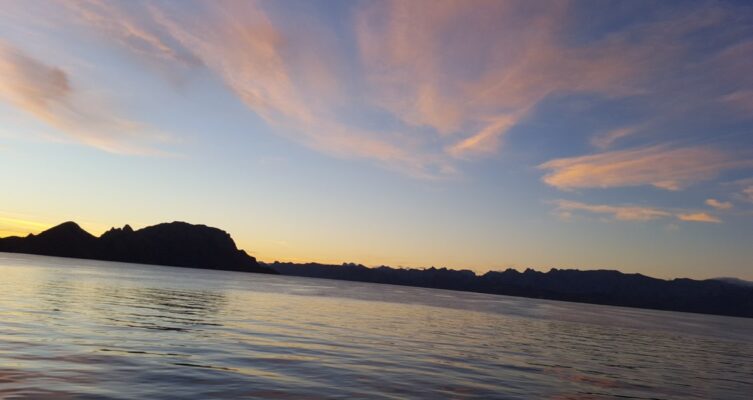
Exploring the Camino
Real in Baja California Sur is the historic road built by Jesuit missionaries in the late 17th century to connect the missions they founded throughout the rugged peninsula. Exploring it offers a mix of history, desert adventure, and encounters with stunning landscapes. While it is not a single, continuous, and well-maintained path, it can be explored in sections by hiking, driving off-road, or visiting the mission sites.
Central Baja Missions and Remote Routes
The central section of the peninsula offers some of the most remote and challenging routes for exploring the historic trail, linking the early Jesuit missions.
- Misión Nuestra Señora de Loreto Conchó: Located in the town of Loreto, this was the first mission and the “mother” of all the missions in the Californias. The Camino Real radiated north and south from this point.
- Misión San Francisco Javier Viggé-Biaundó: Considered the most beautiful of the Baja missions, this site is reachable from Loreto via a scenic drive through the Sierra de la Giganta. The Camino Real trail from Loreto to this mission was one of the earliest to be established.
- Desert Trekking near San Borja: Sections of the Camino Real near Mission San Borja, further north in Baja California, are still visible as a small, barely visible footpath through the desert. These are best explored with a guide or proper off-road preparation.
Southern Baja Missions and Oases
In the south, the mission system extended down to the tip of the peninsula. Many of these routes are more accessible, and the missions are located near modern towns.
- Misión Santiago de las Coras Aiñiní: Situated near the town of Santiago, this mission is an easy detour from the main highway. The nearby Cañón de la Zorra and its waterfall offer a great hiking opportunity.
- Misión de Nuestra Señora del Pilar de La Paz Airapí: Located in La Paz, the state capital, the mission’s original site has been replaced by the Catedral de Nuestra Señora de La Paz.
- Misión de Nuestra Señora del Pilar de Todos Santos: Now part of the picturesque town of Todos Santos, this mission and its area can be explored through a network of walking trails.
- Misión San José del Cabo Anuiti: Found in San José del Cabo, this mission is located in the town’s historic center and is a major landmark.

Planning Your Exploration
- Vehicle Access: Many sections of the Camino Real are no longer paved and require a high-clearance, four-wheel-drive vehicle. The trail is mostly on dirt roads and can be bumpy and poorly maintained. For some areas, an ATV or dirt bike is a better option.
- Safety and Planning: Cell service is unreliable in many remote areas. Carry plenty of water and sun protection, and download offline maps.
- Guided Tours: For a more in-depth and safer experience, consider hiring a local guide or joining a specialized tour. These services, such as Baja Adventures in Loreto, offer expert knowledge of the routes and the local flora and fauna.
- Itinerary Options:
- Day Trip from Loreto: Explore Loreto’s historic mission and the beautiful Misión San Francisco Javier Viggé-Biaundó.
- East Cape Scenic Drive: Drive the Ruta Escénica Camino Cabo Este from San José del Cabo to Playa La Ribera, exploring isolated beaches along the way.
- Cabo to Todos Santos: Take the easy scenic drive from Cabo San Lucas to the “magical town” of Todos Santos to experience the Pacific coastline.
- Microclimates: Be aware of the varying microclimates in Baja California Sur. The Sierra La Laguna mountains receive more rain than the desert below, and conditions can change quickly.
